Showing posts with label Healthy Living. Show all posts

Thursday, January 15, 2015

10 Tips for Healthy Weight Maintenance with Dr. Morris

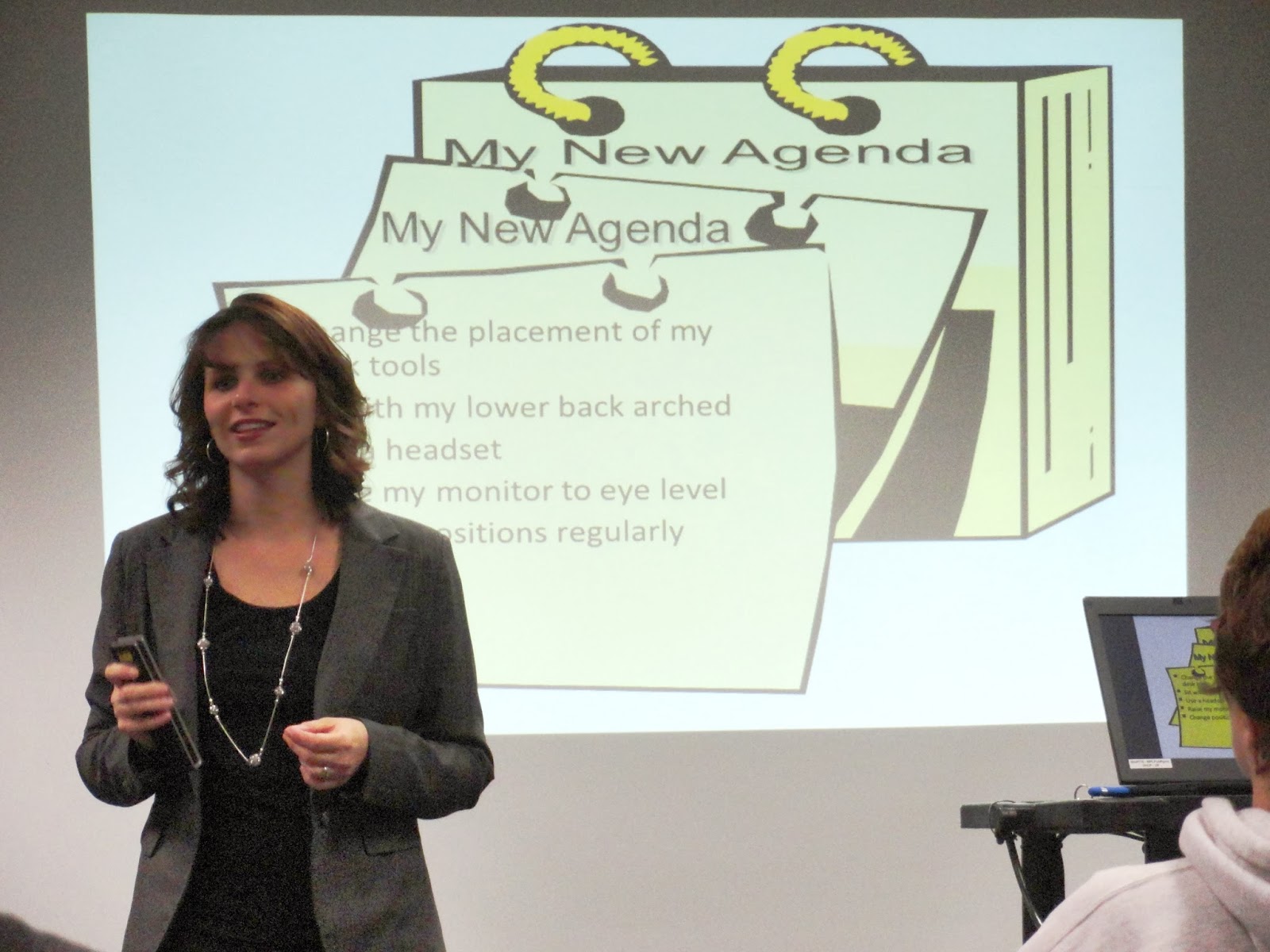
Dr. Misty Morris visited Mentor Library Tuesday to suggest ways people can maintain a healthy lifestyle.
Eat right and exercise. We know.

Everybody knows how to stay healthy. It's just so hard to do sometimes.

That's why we regress on our New Year's Resolutions. It's not that we don't know better. It's just broccoli-and-5 am-calisthenics fatigue sets in, and a cheeseburger catches us in a moment of weakness. And so do the fries. And a shake. And maybe some mozzarella sticks.

To that end, Dr. Misty Morris visited the library Tuesday to recommend 10 ways we can get and stay healthy this year.
  1. What are you eating? You can exercise as much as you want. If you don't eat healthy, then you won't see the results you want. Lean meats, whole grains, fruits and vegetables, and remember to shake up the menu sometimes so you don't get bored.
  2. What are you drinking? And it's not just food either. You'd be surprised how many calories can fit in a smoothie, a milkshake, a can of soda or a beer. Liquid nutrition is still nutritious and liquid junk is still junk.
  3. 70/30. You don't need to be perfect. All asparagus and no play makes Jack freak out at 2 a.m. and eat a dozen soft tacos. Keep it proportional. If 70 percent of your calories are nutritious, then that 30 percent won't undo you. (Though you'd be better off with an 80/20 or even 90/10 split, but the point is that 100/0 never lasts long.)
  4. No plan is a plan to fail. Plan out your meals. If you're thinking, "I'll come up with lunch on the fly," you're going to eat what's convenient and not what's healthy. Also, know when and how you're going to exercise. If you think you'll just fit in in later, you won't.
  5. Have fun with motivation. Don't be afraid to reward yourself. Give yourself goals and, when you reach them, treat yourself. (But don't keep treating yourself. If every day was Mardi Gras, we'd all be sick by Palm Sunday.)
  6. Let's get physical. Yes, exercise is important. No, exercise doesn't need to be running marathons in the snow. Get active—go for walks, try out an exercise DVD, check out a gym or the YMCA. (Your first visit is free with your Mentor Library card.) Don't feel the need to do everything at once. Start where you are, but try to move for at least 20 minutes a day.
  7. Get some sleep. While sleep requirements differ from person to person, a healthy adult needs between seven and 9 1/2 hours a day. If you don't get enough, it hurts your metabolism, your focus, your attitude—everything.
  8. The first thing you need to change is your mind. It doesn't help if you're never satisfied. If you want to lose 30 pounds, you can still be proud of yourself for losing five. You need to look in the mirror and be happy with yourself during each step of the process.
  9. Get your friends involved. You're going to run into doldrums—that day you don't feel like getting off the couch. When that happens, lean on your friends. Instead of calling your friends to go out and eat, why not go snowshoeing or hiking? It won't feel like a chore with your friends in tow.
  10. What's your motivation? You clicked on this story for a reason. Why do you want to be healthier? So you can fit into that old dress (or suit)? So you can be there for your family as you get older? So you can lift your groceries without wheezing? Keep that motivation in mind when you're working out or eating those carrot sticks. Ultimately, that reason will help you stay the course.

Sunday, November 9, 2014

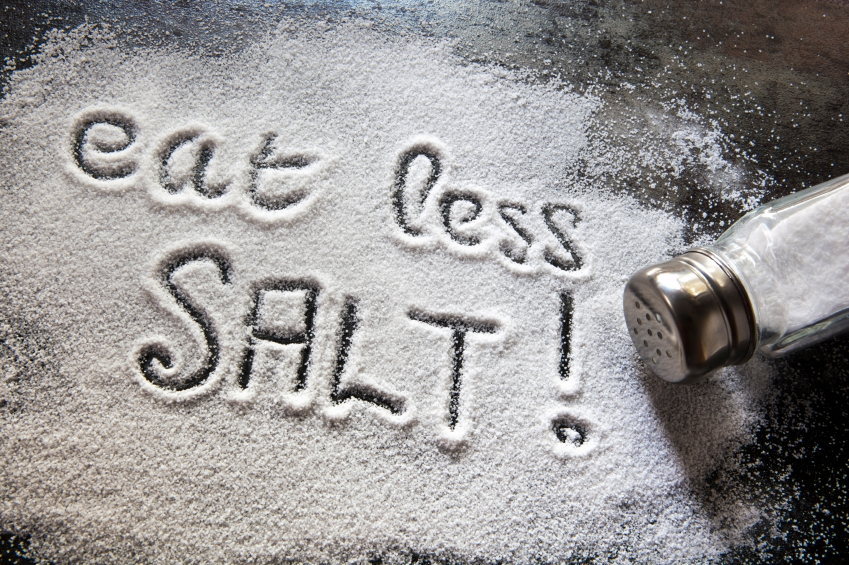
Help your heart by skipping the salt


The Lake County General Health District visited us last week and suggested ways in which people can prevent or control high blood pressure.

One of their tips was to eat less salt.

While we need salt to live, most people eat way more salt than they need. The recommended daily amount of salt is 2,300 milligrams or about one teaspoon.

And it can be difficult to eat less salt. First of all, it's delicious. Secondly, it seems as if it's in everything.

So Lake County General Health District, with some help from the USDA, offered 10 tips for cutting back on salt.

1. Think fresh

Processed foods—like cured meats, pizza, canned soup and chili—tend to have more salt than fresh foods. You don't have to cut out all processed foods, but eat fewer of them and more fresh food.

2. Enjoy home-prepared foods

If you cook at home, you'll be in control of your food and know exactly how much salt is in there.

3. Fill up on vegetables and fruits

Vegetables and fruits—fresh or frozen—are naturally lower in sodium. Eat them with every meal. (Keep an eye on canned vegetables though. They sometimes have sodium added.)

4. Choose dairy and protein foods that are lower in sodium

Fat-free and low-fat milk has less sodium than cheese. Similarly, fresh beef, pork, poultry and seafood has less sodium than deli meat or sausages. Also, opt for unsalted nuts and seeds.

5. Adjust your taste buds

If you suddenly cut back on all of your salt, you'll be jones-ing for a deli sandwich and french fries in no town. Cut back on your salt a little at a time and your taste buds will adjust to this new normal.

6. Skip the salt

This one seems obvious, right? Just leave the salt off the kitchen counter when you're cooking and the dinner table when you're eating, and you'll be less tempted. Try other spices and herbs like red or black pepper, basil, curry, ginger or rosemary, instead.

7. Read the label

Processed food is convenient, but it can also be unhealthy. Read the label and know exactly what you're eating.

8. Ask for low-sodium foods when you eat out

Eating out can be tricky because, once again, you can't completely control what's in your food. However, you can always ask for a lower sodium version of a food, sauce or salad dressing.

9. Pay attention to condiments

Foods like soy sauce, ketchup, pickles, olives, salad dressings and seasoning packets are high in sodium. Choose a low-sodium version of your favorite condiment and substitute carrots or celery sticks for pickles and onions.

10. Boost your potassium intake

Potassium is known to lower high blood pressure. Most people know that bananas have potassium, but so do potatoes, beets, greens, tomato juice and sauce, sweet potatoes, beans and orange juice.

Here are 10 tips for building a healthy meal from Lake County General Health District.

Monday, November 3, 2014

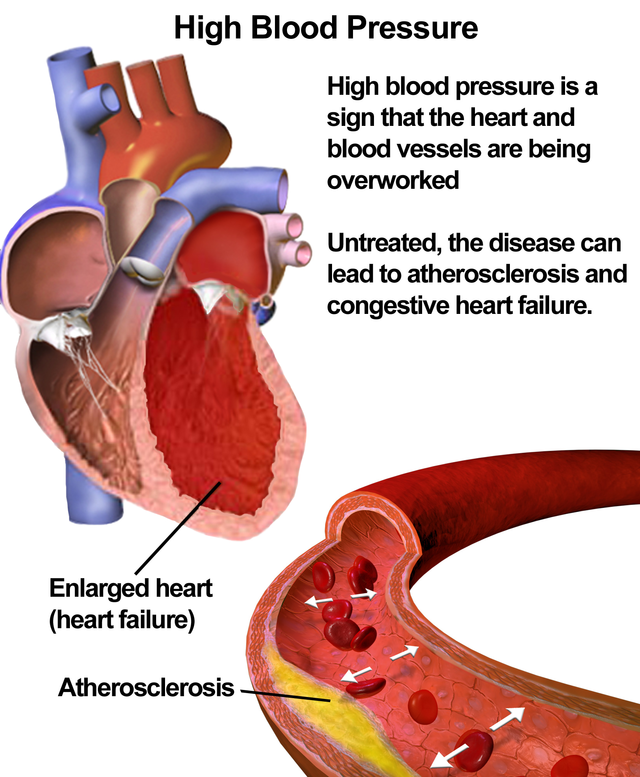
Learn about high blood pressure at Mentor Library


Let's start with the bad news.

About one in three Americans—an estimated 67 million people—has high blood pressure.

You can have high blood pressure (also known as hypertension) for years without symptoms. And if it persists it can weaken your arteries and cause health problems, including stroke, kidney disease, loss of vision and heart disease.

Certain factors like family history, poor diet, drinking too much alcohol and not exercising can increase your likelihood of having hypertension.

But there's good news too.

There are things you can do to manage your high blood pressure: maintaining a healthy weight, drinking less (and especially avoiding binge drinking,) managing stress and exercising.

Eating healthy and limiting your sodium intake can also help.

A dietician from the Lake County General Health District will talk about the role of nutrition in preventing and controlling high blood pressure at 6 p.m. Wednesday, Nov. 5, at the Mentor Public Library's Main Branch.

The talk is free and open to everyone. You can register for it here.

Join us Wednesday and learn more about how you can help yourself.

Friday, January 17, 2014

7 Tips for Setting & Sticking to a Healthy New Year's Resolution

Cori Kitaura of the Lake County General Health District visited the library Wednesday to talk about some of the ways people can stick to their New Year's resolutions to be healthier.

Some people want to lose weight. Others want to eat better. Some just want to feel fitter.

Either way, Kitaura offered seven tips (via Cleveland Foodbank) that can help. Those tips are:

1. Make a specific goal. Don't just say you want to exercise more. Specify how many days a week you're going to exercise and for how long.

2. Phrase your goals positively. Don't say, "I want to eat less junk food." Say that you want to eat more fruits and vegetables.

3. Write your goals down. Then put them in a place where you can't ignore them: your wallet, your bed stand, as the background on your computer.

4. Be reasonable with yourself. It's good to have big goals, but make sure you give yourself small goals on the way to your big ones. Don't try to do everything at once. All you'll do is overwhelm yourself.

5. Tell your friends about your goals. This (like Tip #3) is another way to keep yourself accountable. Also, the more people you tell, the more support you will have.

6. Forgive yourself if you make a slip-up. You can miss one workout or eat one chocolate bar and the world won't collapse. Lifestyle changes take time.

7. Quality over quantity. Just set one or two goals and focus on them. If you stretch yourself too thin, you'll stress yourself out and that might do more harm than good.

Here's a weekly meal planner that may help you with your resolutions.

The LCGHD will return to our Main Branch on Feb. 5 to talk about heart healthy diets. As always, the talk is free and open to the public. You can register for it here.

For more information on events and programs at Mentor Public Library, visit www.mentorpl.org.

Friday, November 15, 2013

Life After Meat: 10 tips for being a healthy vegetarian or vegan

Both vegan and vegetarian diets have become increasingly common in the United States.

While it's difficult to find recent numbers that say how many Americans are vegetarians--I couldn't find any statistics more recent than 2005--there is anecdotal evidence. Almost every restaurant short of a steakhouse has at least one vegetarian entree. Even burger chains are offering veggie and vegan patties nowadays.

People have their different reasons for foregoing meat: health, cultural, ethical.

By the way, this blog isn't intended as a wave of the finger at omnivores. We don't intend to tell people that they shouldn't eat meat. We just want everybody (meat eaters and vegetarians alike) to be healthy.

To that end, we have partnered with the Lake County General Health District for a series of talks on healthy living. (You might remember a couple of months ago when LCGHD suggested a couple of food substitutions that could make your favorite recipe much healthier.)

The LCGHD visited the library again Wednesday, and this time they offered tips to make sure vegetarians and vegans still got all the nutrients they need.

After all, meat does contain nutrients a body needs; and, if you're not getting it from meat, then you need to get it somewhere else.
Cori Kitaura from the Lake County General Health District offers some tips on how vegetarians and vegans can still get all the nutrients they need on a meat-free diet. 
Here are 10 tips that all vegetarians should keep in mind. They come courtesy of the United States Department of Agriculture.

1. Think about protein
It's not difficult to get the protein your body needs from plant foods. Peas, nuts and soy products all have it. But you still have to make a conscious effort to do it. (If you're a lacto-ovo vegetarian, you can also get protein from dairy and eggs.)

2. Don't forget about calcium
You need calcium for healthy teeth and bones. It's easy for lacto vegetarians to get calcium from dairy products. Vegans will have to try a little harder. Some dark green leafy vegetables like bok choy, collard, turnip and mustard greens have calcium. So do calcium-fortified breakfast cereals, orange juice and soymilk.

3. Make simple changes
A lot of popular dishes have vegetarian variations: pasta primavera (or with marinara or pesto sauce,) veggie pizza, veggie lasagna, vegetable stir fry, bean burritos and more.

4. You don't have to give up on cookouts
Veggie and soy burgers still taste good from the grill. You can also barbecue soy hot dogs and marinated tofu or grill fruit and veggie kabobs. (Grilled pineapple is the truth.)

5. Include beans and peas
Beans and peas are nutritious and a good idea for everybody, but they are especially helpful for vegetarians. Try a vegetarian chili. You might be surprised by how much flavor a bowl can pack without the meat.

6. Try the veggie version
I'm not going to lie to you. Black bean burgers don't taste exactly like hamburgers. If you close your eyes, you can probably tell the difference between a soy dog and an Italian sausage. But you just might like a veggie burger or soy dog on its own merits. Give them a try. It will probably have less saturated fat and cholesterol than its meat-quivalent.

7. Don't be afraid to ask for some small changes at restaurants
Most restaurants are ready to accommodate vegetarians nowadays and an increasing number have an option for vegans. If you don't see anything on the menu that works, then don't be afraid to ask if they can substitute in something meatless. When in doubt, call ahead.

8. Go nuts
Nuts are also a great way to get protein and a nice accoutrement to most salads. (Go unsalted when you can. It's a lot healthier.)

9. Get your Vitamin B12
Vitamin B12 is only found naturally in animal products. Vegetarians should look for fortified cereals and soy products to make the difference. Check the nutrition facts on fortified foods to make sure you are getting what you need.

10. Find a vegetarian pattern for you
Check out appendices eight and nine of the Dietary Guidelines for Americans at www.dietaryguidelines.gov to help you find a sustainable vegetarian diet that works for you personally.

So eat good food. Be happy, be healthy and never be afraid to call your local library if you have any questions.

Thursday, September 5, 2013

Healthy Food Substitutions with Lake County General Health District

Cori Kitaura of the Lake County General Health District visited the library Wednesday to talk about some of the ways people can get healthier by changing some of their cooking habits.

She didn’t say that you could never have a steak or cake again. After all, almost any food is OK as an occasional treat. Instead, she made some recommendations that modify your favorite foods and make them healthier.

For example, fried chicken is delicious, but so is roasted or steamed chicken; and the latter options have fewer calories and less fat than their fried counterpart.

You can also eat healthier by remembering to cut excess fat off of meat, removing the skin from chicken, or rinsing canned vegetables – which tend to be bathed in salt – before you cook and eat them.

Cori also suggested some substitutions that can make some of your favorite recipes healthier. While they will taste a little different, they’ll still be delicious – and a lot better for you.

Her tips include:
  • using applesauce, prune puree, mashed bananas or avocados, or even black beans as a substitute for butter, margarine, oil, shortening or other solid fats while baking. (A note: If you do this, you may need to reduce the baking time by about 25 percent. The substitutions cook faster than solid fats.)
  • instead of canned vegetables, use frozen vegetables without sauces.
  • substituting low- or no-fat dairy products for their whole- or full-fat counterparts. (Exception: while fat-free plain yogurt can sometimes be used as a substitute for sour cream, bear in mind that yogurt isn't heat stable so you can't really cook with it.)
  • swapping in pureed fruit or no-sugar-added applesauce for syrup.
  • reducing the amount of sugar in the baked goods you make by anywhere between a fourth and third. Cinnamon, vanilla and almond extract also can add sweetness without adding sugar. (You don't want to remove all the sugar from yeast breads because the sugar provides food for the yeast.)
  • eating romaine lettuce, endive or baby spinach instead of the nutrient-devoid iceberg lettuce.
  • using whole grain, brown rice, wild rice, whole cornmeal (not degermed,) whole barley, bulgur, kasha, quinoa or whole-wheat couscous instead of white rice or enriched grains.
More healthy tips are available at the Cleveland Food Bank website.

Speaking of Cleveland Food Bank, Mentor Public Library is participating with the Ohio Association of Foodbanks and organizations all around the state for Feed Ohio 2013.

Throught Sept. 11, you can donate nonperishable food items at any MPL branch and they will go to a local food pantries.

For more information on events and programs at Mentor Public Library, visit www.mentorpl.org.