Showing posts with label Get Healthy. Show all posts

Tuesday, February 16, 2016

Learn about the science of happiness at Mentor Public Library

Be the happy one.
You know you want to be happier, but you're not sure how to get there.

We want to help, so we called in the expert.

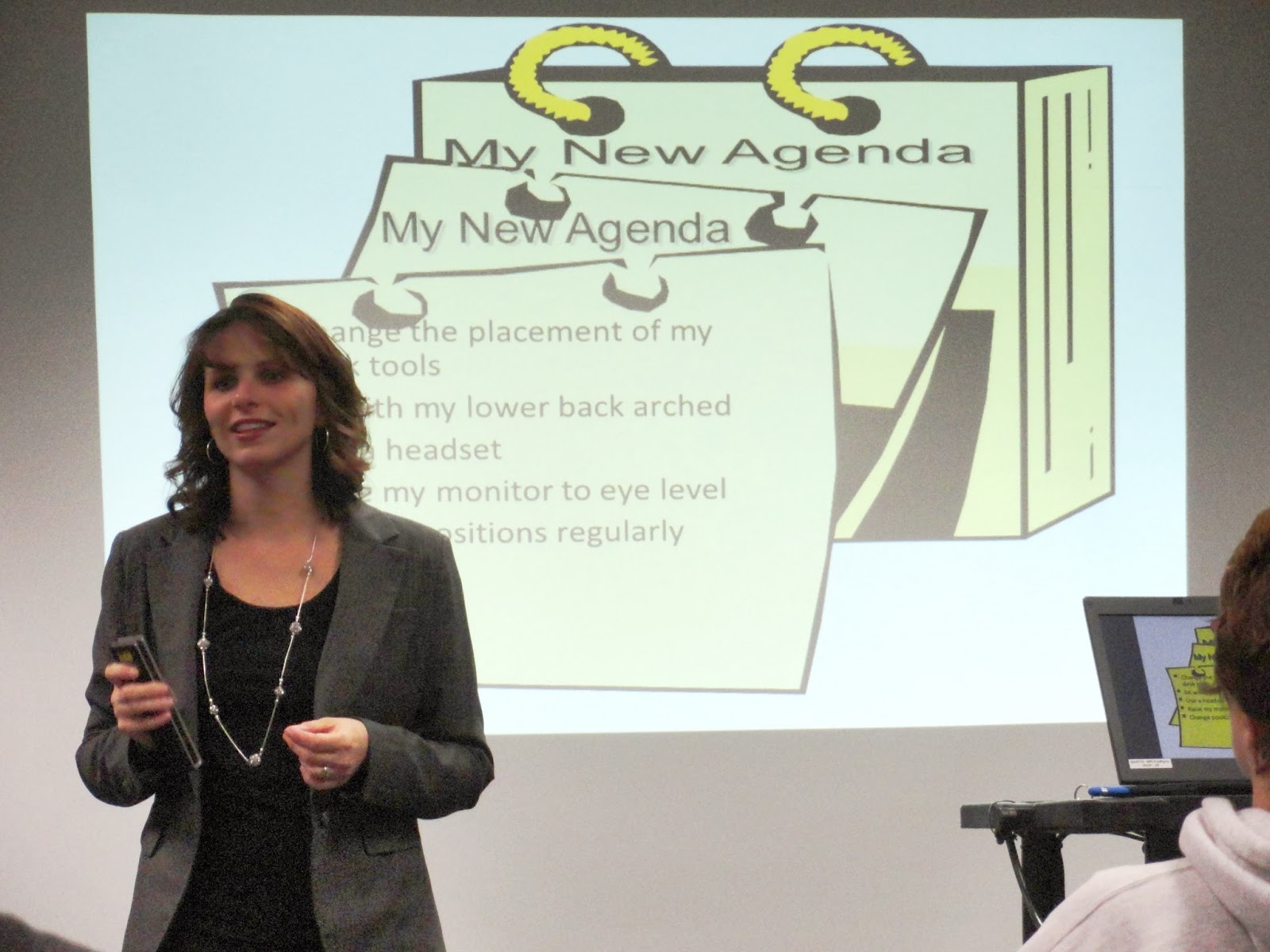
Mentor Public Library's Get Healthy series continues at 6 p.m. on Tuesday, Feb. 23, with a talk on happiness from James Kargakos, a psychology professor and certified life coach.

He'll discuss the science behind happiness and what detracts from it. He'll also offer advice on how to be naturally happy and live a happier life.

We started the Get Healthy series to help you become healthier—physically, emotionally, and even spiritually.

Each month, we offer a different program on how to improve an aspect of one’s health. In January, we offered a free introductory boxing class at TITLE Boxing.

In March, we’ll learn about homeopathic medicine with Remedy Jane.

All of our Get Healthy programs are free and open to the public. Attend one of them; come to all of them; and get healthier!

Monday, February 1, 2016

Get healthy with Mentor Public Library

A library patron gets his hands wrapped before a free class at TITLE Boxing Club in Mentor.
There are all kinds of way to be healthy—physical, emotional, even spiritual—and Mentor Public Library wants to help with all of them.

That's why we've started our Get Healthy series: to help you become your healthiest self. Each month, the library will offer a free program on how to improve an aspect of one’s health.

We began with a free class last week at TITLE Boxing Club in Mentor. In addition to learning some basic boxing techniques, we also learned the different parts of the body that boxing exercises. (It’s definitely more than the arms.)

But we won't be punching bags every month.
The boxing class included cardio, to improve heart health and stamina.
The Get Healthy series continues with a talk on happiness on Tuesday, Feb. 23, at Mentor Public Library’s Main Branch. James Kargakos, a psychology professor and certified life coach, will discuss the science behind happiness and what can detract from it.

Then, in March, we'll learn about homeopathic medicine with Remedy Jane.

All of our Get Healthy programs are free and open to the public. Attend one of them; come to all of them; and get healthier!
Our Get Healthy series is open to everyone.
Visit Mentor Public Library's Facebook page for more photos from our Get Healthy program at TITLE Boxing Club.

Wednesday, January 20, 2016

Get moving this year with a free boxing class


Looking for a fun, different way to get moving this year?

Take a free beginners boxing class at 6 p.m. on Tuesday, Jan. 26, at TITLE Boxing Club at 7601 Mentor Ave., Mentor.

The class is part of the Mentor Public Library’s Get Healthy Series. Each month the library will offer a free program on how to improve all aspects of one’s health.

The boxing class is open to everyone. No previous experience is necessary. In addition to learning some basic techniques, participants will also learn the different parts of the body that boxing exercises. (It’s more than the arms.)

Participants should prepare for a workout, be dressed to move and come about 15 minutes early so they can get their hands wrapped. TITLE Boxing Club will provide hand wraps and boxing gloves, though people can bring their own if they prefer.

You can register for the class on Mentor Public Library's website or by calling (440) 255-8811 ext. 216.

The Get Healthy series continues with a talk on happiness on Tuesday, Feb. 23, at Mentor Public Library’s Main Branch. James Kargakos, a psychology professor and certified life coach, will discuss the science behind happiness and what detracts from happiness.

Thursday, April 9, 2015

Come to MPL's Flash Library during the Throwback to Giveback Health Fair this Saturday

Look for Mentor Library at the Throwback to Giveback Health Fair this Saturday at Captains Stadium.
Mentor Library is having one of its Flash Libraries during the Throwback to Giveback Health Fair & Fun Run from 10 a.m. to 1 p.m. this Saturday, April 11, at Classic Park.

We'll be giving away free books on health, exercise and diet. Drop by if you want a free book and information on ways to get healthier. (You can get a library card too, if you want.)

The health fair is organized by Leadership Lake County's Junior Leadership Program.

It will begin with a Fun Run led by the Captain's mascot, Skipper. The health fair will also feature a DJ, Zumba, dance contests, face painting, mini golf, a healthy snack station and much more.

All proceeds raised from the event will be donated to St. James Soup Kitchen in Painesville to buy necessary kitchen equipment so it can provide food for local people in need. (They serve more than 23,000 meals a year to people who need it.)

Admission to health fair is free, and its vendors include Big Brothers Big Sisters NEO, Crossroads, American Heart Association and more.

See you there!

Thursday, January 15, 2015

10 Tips for Healthy Weight Maintenance with Dr. Morris

Dr. Misty Morris visited Mentor Library Tuesday to suggest ways people can maintain a healthy lifestyle.
Eat right and exercise. We know.

Everybody knows how to stay healthy. It's just so hard to do sometimes.

That's why we regress on our New Year's Resolutions. It's not that we don't know better. It's just broccoli-and-5 am-calisthenics fatigue sets in, and a cheeseburger catches us in a moment of weakness. And so do the fries. And a shake. And maybe some mozzarella sticks.

To that end, Dr. Misty Morris visited the library Tuesday to recommend 10 ways we can get and stay healthy this year.
  1. What are you eating? You can exercise as much as you want. If you don't eat healthy, then you won't see the results you want. Lean meats, whole grains, fruits and vegetables, and remember to shake up the menu sometimes so you don't get bored.
  2. What are you drinking? And it's not just food either. You'd be surprised how many calories can fit in a smoothie, a milkshake, a can of soda or a beer. Liquid nutrition is still nutritious and liquid junk is still junk.
  3. 70/30. You don't need to be perfect. All asparagus and no play makes Jack freak out at 2 a.m. and eat a dozen soft tacos. Keep it proportional. If 70 percent of your calories are nutritious, then that 30 percent won't undo you. (Though you'd be better off with an 80/20 or even 90/10 split, but the point is that 100/0 never lasts long.)
  4. No plan is a plan to fail. Plan out your meals. If you're thinking, "I'll come up with lunch on the fly," you're going to eat what's convenient and not what's healthy. Also, know when and how you're going to exercise. If you think you'll just fit in in later, you won't.
  5. Have fun with motivation. Don't be afraid to reward yourself. Give yourself goals and, when you reach them, treat yourself. (But don't keep treating yourself. If every day was Mardi Gras, we'd all be sick by Palm Sunday.)
  6. Let's get physical. Yes, exercise is important. No, exercise doesn't need to be running marathons in the snow. Get active—go for walks, try out an exercise DVD, check out a gym or the YMCA. (Your first visit is free with your Mentor Library card.) Don't feel the need to do everything at once. Start where you are, but try to move for at least 20 minutes a day.
  7. Get some sleep. While sleep requirements differ from person to person, a healthy adult needs between seven and 9 1/2 hours a day. If you don't get enough, it hurts your metabolism, your focus, your attitude—everything.
  8. The first thing you need to change is your mind. It doesn't help if you're never satisfied. If you want to lose 30 pounds, you can still be proud of yourself for losing five. You need to look in the mirror and be happy with yourself during each step of the process.
  9. Get your friends involved. You're going to run into doldrums—that day you don't feel like getting off the couch. When that happens, lean on your friends. Instead of calling your friends to go out and eat, why not go snowshoeing or hiking? It won't feel like a chore with your friends in tow.
  10. What's your motivation? You clicked on this story for a reason. Why do you want to be healthier? So you can fit into that old dress (or suit)? So you can be there for your family as you get older? So you can lift your groceries without wheezing? Keep that motivation in mind when you're working out or eating those carrot sticks. Ultimately, that reason will help you stay the course.

Sunday, November 9, 2014

Help your heart by skipping the salt


The Lake County General Health District visited us last week and suggested ways in which people can prevent or control high blood pressure.

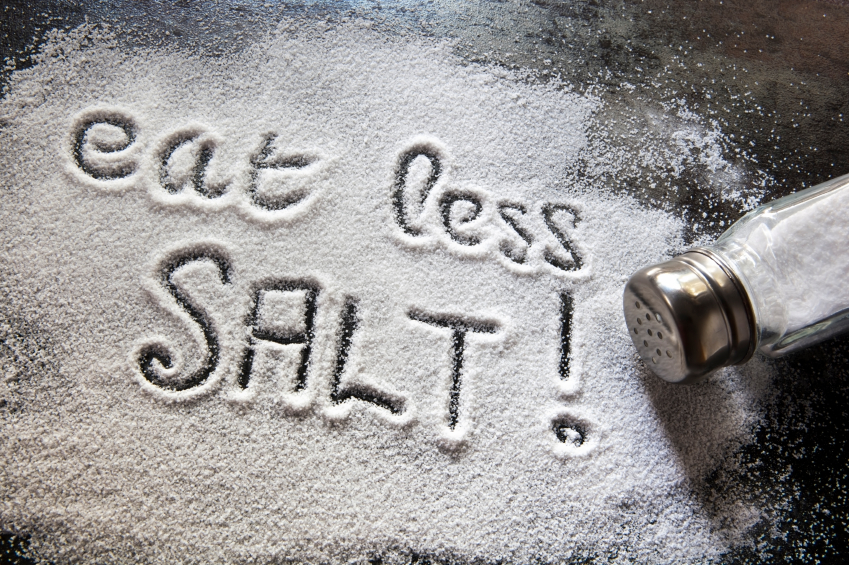
One of their tips was to eat less salt.

While we need salt to live, most people eat way more salt than they need. The recommended daily amount of salt is 2,300 milligrams or about one teaspoon.

And it can be difficult to eat less salt. First of all, it's delicious. Secondly, it seems as if it's in everything.

So Lake County General Health District, with some help from the USDA, offered 10 tips for cutting back on salt.

1. Think fresh

Processed foods—like cured meats, pizza, canned soup and chili—tend to have more salt than fresh foods. You don't have to cut out all processed foods, but eat fewer of them and more fresh food.

2. Enjoy home-prepared foods

If you cook at home, you'll be in control of your food and know exactly how much salt is in there.

3. Fill up on vegetables and fruits

Vegetables and fruits—fresh or frozen—are naturally lower in sodium. Eat them with every meal. (Keep an eye on canned vegetables though. They sometimes have sodium added.)

4. Choose dairy and protein foods that are lower in sodium

Fat-free and low-fat milk has less sodium than cheese. Similarly, fresh beef, pork, poultry and seafood has less sodium than deli meat or sausages. Also, opt for unsalted nuts and seeds.

5. Adjust your taste buds

If you suddenly cut back on all of your salt, you'll be jones-ing for a deli sandwich and french fries in no town. Cut back on your salt a little at a time and your taste buds will adjust to this new normal.

6. Skip the salt

This one seems obvious, right? Just leave the salt off the kitchen counter when you're cooking and the dinner table when you're eating, and you'll be less tempted. Try other spices and herbs like red or black pepper, basil, curry, ginger or rosemary, instead.

7. Read the label

Processed food is convenient, but it can also be unhealthy. Read the label and know exactly what you're eating.

8. Ask for low-sodium foods when you eat out

Eating out can be tricky because, once again, you can't completely control what's in your food. However, you can always ask for a lower sodium version of a food, sauce or salad dressing.

9. Pay attention to condiments

Foods like soy sauce, ketchup, pickles, olives, salad dressings and seasoning packets are high in sodium. Choose a low-sodium version of your favorite condiment and substitute carrots or celery sticks for pickles and onions.

10. Boost your potassium intake

Potassium is known to lower high blood pressure. Most people know that bananas have potassium, but so do potatoes, beets, greens, tomato juice and sauce, sweet potatoes, beans and orange juice.

Here are 10 tips for building a healthy meal from Lake County General Health District.

Monday, May 12, 2014

10 Tips to Build a Healthy Meal

The Lake County General Health District visited the Mentor Library last week to explain the differences between various diets and help people pick the best diet for themselves.

Here are 10 tips they shared for building healthy meals:

1. Fill half your plate with fruits and vegetables

To make sure you get as many nutrients as possible, vary the color palette of your fruits and veggies. Opt for red, orange and dark-green vegetables like tomatoes, sweet potatoes and broccoli.

2. Pick lean protein

Chicken, turkey, seafood, beans and tofu are all good ways to get lean protein. You can still eat beef and pork too. Just get a lean cut.

3. Don't forget whole grains

Whole grains provide more fiber than refined grains, so look for words like "100% whole grain" or "100% whole wheat" on the label.

4. Include dairy

Fat-free and low-fat milk have the same essential nutrients as whole milk with less fat and fewer calories. If you don't drink milk, try fat-free or low-fat yogurt or soymilk.

5. Excise the extra fat

Heavy gravies and sauces may taste delicious, but they're an easy way to make a healthy food unhealthy. For example: steamed broccoli, good for you; steamed broccoli covered in a mountain of melted cheese, not so good for you. Try a squeeze of lemon or a sprinkle of low-fat Parmesan, instead.

6. Take your time

Eating slowly allows you to actually appreciate what you're tasting. Plus it gives your stomach time to catch up to your mouth so you don't overeat.

7. Use a smaller plate

This psychological trick helps with portion control. You'll feel satisfied without overeating.

8. Be mindful of what you're eating

If you cook yourself, you'll know exactly what you're eating and how healthy (or unhealthy) it is. If you're going to eat out, do a little research beforehand. Try to get nutrition information and don't be afraid to ask for a healthier substitution. (For example, switch in a salad for those french fries.)

9. Try new foods
Any diet can get monotonous if you don't switch things up occasionally. Try something you've never eaten before—mango, kale, lentils. You may discover a new favorite.

10. Find a healthier way to indulge your sweet tooth

If you're craving dessert, try something naturally sweet instead like a fruit. You can make a parfait with low-fat yogurt or bake apples and top them with cinnamon.

The LCGHD will return to the Mentor Public Library on Wednesday, August 6, to talk about MyPlate, the USDA's visual guide to healthy eating. You can register for the free talk here.

Click here for more tips on how to eat and live healthy from the Lake County General Health District.

Monday, March 10, 2014

Hold the Salt: 10 Tips for Getting Heart Healthy

The Lake County General Health District visited the Mentor Library last week to offer some tips on how to make your diet heart healthier.

Their biggest suggestion: Cut down on the salt.

Salt plays a role in high blood pressure. People only need one teaspoon of salt a day, but most of us eat a lot more than that.

Consequently, LCGHD offered 10 tips (via the USDA) for cutting back our salt intake.

1. Think fresh

Fresh foods are generally lower in sodium. So try to cut back on the processed foods, especially cure meats, cheesy foods (like pizza) and read-to-eat meals.

2. Enjoy home-prepared foods

The same logic applies here as in Tip 1. If you're cooking at home with fresh ingredients, you're eating less salt.

3. Fill up on veggies and fruits

Fruits and vegetables, both frozen and fresh, are naturally low in sodium.

4. Choose the low-sodium version of a food

Craving meat but afraid of the salt content of most deli or luncheon meats? Eat fresh chicken, beef or seafood, instead. Choose unsalted nuts and seeds over their salted varieties.

5. Adjust your taste buds

Unsalted or low-sodium foods may taste unusual to you at first, but you'll get used to them as your taste buds adjusts to your new diet.

6. Skip the salt

This may seem so obvious as to not even merit mention; but, just to be safe, I'll say it. Don't season your food with a lot of salt. Use healthier options like garlic, herbs, red and black pepper, vinegar or lemon juice to season your supper.

7. Read the label

When in doubt, check the Nutrition Facts label. Always know what you're eating.

8. Ask for low-sodium foods when you eat out

Restaurants may prepare lower-sodium versions of their foods, sauces and salad dressings at your request. But you'll never know unless you ask.

9. Pay attention to condiments

Soy sauce, ketchup, pickles, olives, salad dressings and seasoning packets are high in sodium. Use the low-sodium version of soy sauce and try cucumbers instead of pickles.

10. Eat more potassium

Potassium lowers blood pressure, so eat a lot of potassium-rich foods like potatoes, beet greens, tomato juice, beans and bananas.

The LCGHD will return to the Mentor Public Library on May 7 to talk about diet trends and picking a diet that's right for you. You can register for the free talk here.

Click here for more tips on how to eat and live healthy from the Lake County General Health District.

Thursday, February 27, 2014

Getting heart healthy with Lake County General Health District

We're past the onslaught of Resolution Season and still a few months away from beach weather. (With the way this winter is going, one might worry that we'll never see beach weather.)

So what's the incentive to get in shape?

How about being healthy? Living a better (and likely longer) life? Are those reasons attractive enough?

The Lake County General Health District will visit the library on Monday, March 3, and offer tips on how to have a healthier heart.

Their nutritionist will talk about the causes of heart disease and what role diet plays in heart health. They'll also offer examples of heart-healthy diets, like the popular Mediterranean Diet. You can register for the program here.

(If this program sounds familiar, it was originally slated for February; but we had to reschedule it because of this insatiable winter.)

So get healthy, get happy and—if this subject intrigues you—get to the library at 6 p.m. on March 3 for more details.

Click here for more tips on how to eat and live healthy from the Lake County General Health District.