Showing posts with label gardening. Show all posts

Friday, April 3, 2015

9 Tips for waking up your garden from the Master Gardeners


The snow is gone. The ground is thawing. We finally, finally can start working outside.

The Master Gardeners visited Mentor Library's Main Branch on Wednesday and offered several tips on how to properly wake your garden.

1. Walk your garden

Step one is to get out there. See what needs to be done. Pull early weeds, check for winter damage, and plan how you want to use your available space.

2. Dealing with winter damage

If one of your plants is leaning, it may not need to be staked. Nature has a way of righting itself. However, if staking is necessary, be gentle. For broken branches, prune back to the next branch or node. If any of your plants have been heaved by the frozen ground, replant them at ground level.

3. Clean up

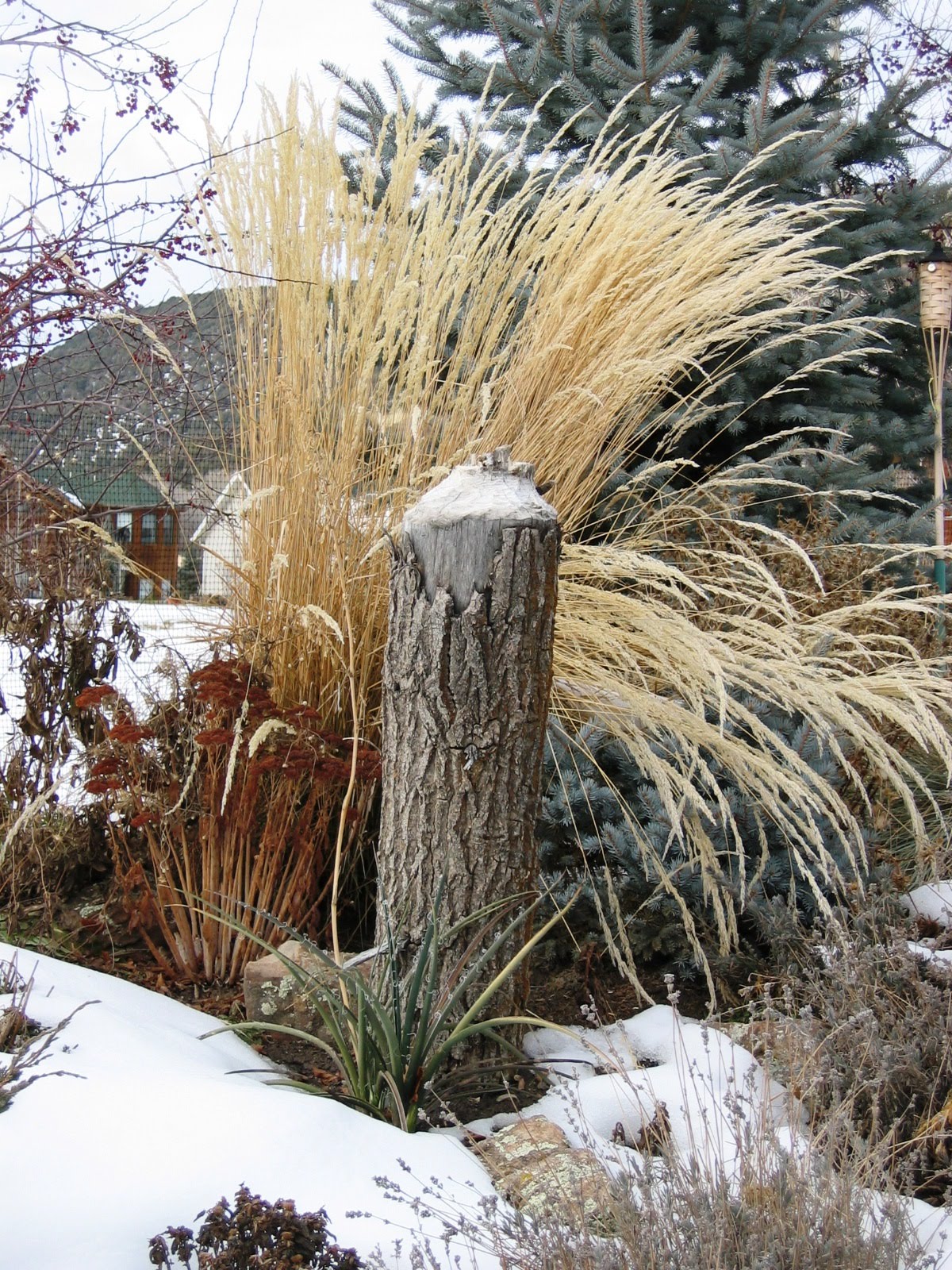
Cut your ornamental grasses back to six to 12 inches; remove old leaves from your perennials, as well as any dead plant material; and cut back any overgrown plants.

4. Pruning

No matter how overgrown a plant is, don't prune off more than 25 percent of it. Remove old and broken branches first. (Once again, cut back to the next branch or node.) If a plant is very overgrown, you have need to prune it over multiple seasons.

5. Lawn care

Sew seed as soon as the soil is workable. You'll want to wait until there's adequate moisture and the soil is about 50 degrees F. By the way, don't apply any pre-emergent herbicides if you're seeding or reseeding your lawn. However, if you're not seeding, you'll want to apply your pre-emergent herbicide in early April.

6. Fertilizing your lawn

If you applied fertilizer in the fall, you only need one application in either late April or early May. If you didn't, then you'll want two applications: one in late April, one in late May. The Master Gardener recommends slow-release fertilizer.

7. Mowing your lawn

Only cut a third of the height from your lawn at any given time. Any more than that will damage the plants.

8. Chemicals and herbicides

Get a soil test before you add anything to your soil. They're inexpensive and profoundly helpful. Don't use any chemical you don't need. You're just poisoning your soil and wasting your money.

9. Planting

In spring, you'll want to plant your bulbs, as well as some of your annual, perennials and flowering trees. And, whenever and whatever you plant, make sure to follow package instructions.

For more tips, check out the Master Gardeners website or the Lake County OSU Extension Office page. For specific advice, call the Master Gardeners advice line between 9 and 11 a.m. on Tuesdays and Thursdays: (440) 350-2582.

Finally, for all your green thumbs, Mentor Library launched a seed library on April 1.

Anyone with a MPL card in good standing can check out seeds from the library for their own garden. The library’s collection already includes more than 100 varieties of seed, including herbs, flowers, vegetables and fruit.

People can check out as many as 15 types of seed per year.

So let's get out there, and help Mentor grow.

Wednesday, March 25, 2015

Mentor Library helping community grow with seed library


Mentor Public Library is helping seed the community with its new seed library, which launches April 1.

Gardeners—from the greenest sprouts to experienced green thumbs—can borrow heirloom and organic seeds from Mentor Library for free.

Here’s how it works. Anyone with a MPL card in good standing can check out seeds from the library for their own garden. The library’s collection already includes more than 100 varieties of seed, including herbs, flowers, vegetables and fruit.

People can check out as many as 15 types of seed per year.

With the seed library, people check out the seeds from MPL’s collection, grow them into plants, save some of the seed and then, finally, return those seeds from the propagated plant.

Mentor Library is also hosting a series of botanical programs in April to get people thinking green.

At 2 p.m. on Wednesday, April 1, at MPL’s Main Branch, the Master Gardeners will give a primer on how to properly wake a garden. They will discuss cleanup, composting, pruning, fertilizing, soil testing, mole problems and impatient gardeners.

Then, at 6:30 p.m. on the same day at the Main Branch, Maria Zampini—the author of Gardenpedia: An A-to-Z Guide to Gardening Terms—will offer fun and helpful tips on how to be a successful gardener. After her talk, she will also sell and sign copies of her book.

Next, at 6 p.m. on Thursday, April 16, the cofounders of the Cleveland Seed Bank—Marilyn McHugh and Chris Kennedy—will talk about seed preservation at MPL’s Main Branch. They will offer their expertise on how to both save and preserve heirloom seeds.

All these talks are free and open to the public. To sign up for them, either call (440) 255-8811 ext. 215 or register on the library’s online event calendar.

Mentor Library is also accepting donations of heirloom and organic seeds for its seed library. If anyone wishes to donate, they can call Senior Services Manager Darlene Workman at (440) 255-8811 or email her at Darlene.workman@mentorpl.org.

Thursday, February 5, 2015

Master Gardeners' Tips for Winter Interests


People tend to associate gardening with springtime around here, but you don't have to be a one-season wonder.

There are plenty of ways to keep you garden interesting even in winter, and Master Gardener Kathy Terrell offered some suggestions when she visited Mentor Library's Main Branch Wednesday.

Different things make a garden interesting during different seasons. In spring, you have everything blooming; in summer, you have verdant greens; in autumn, the foliage.

And what's so beautiful about winter? The leaves have fallen and most of the world is brown and white.

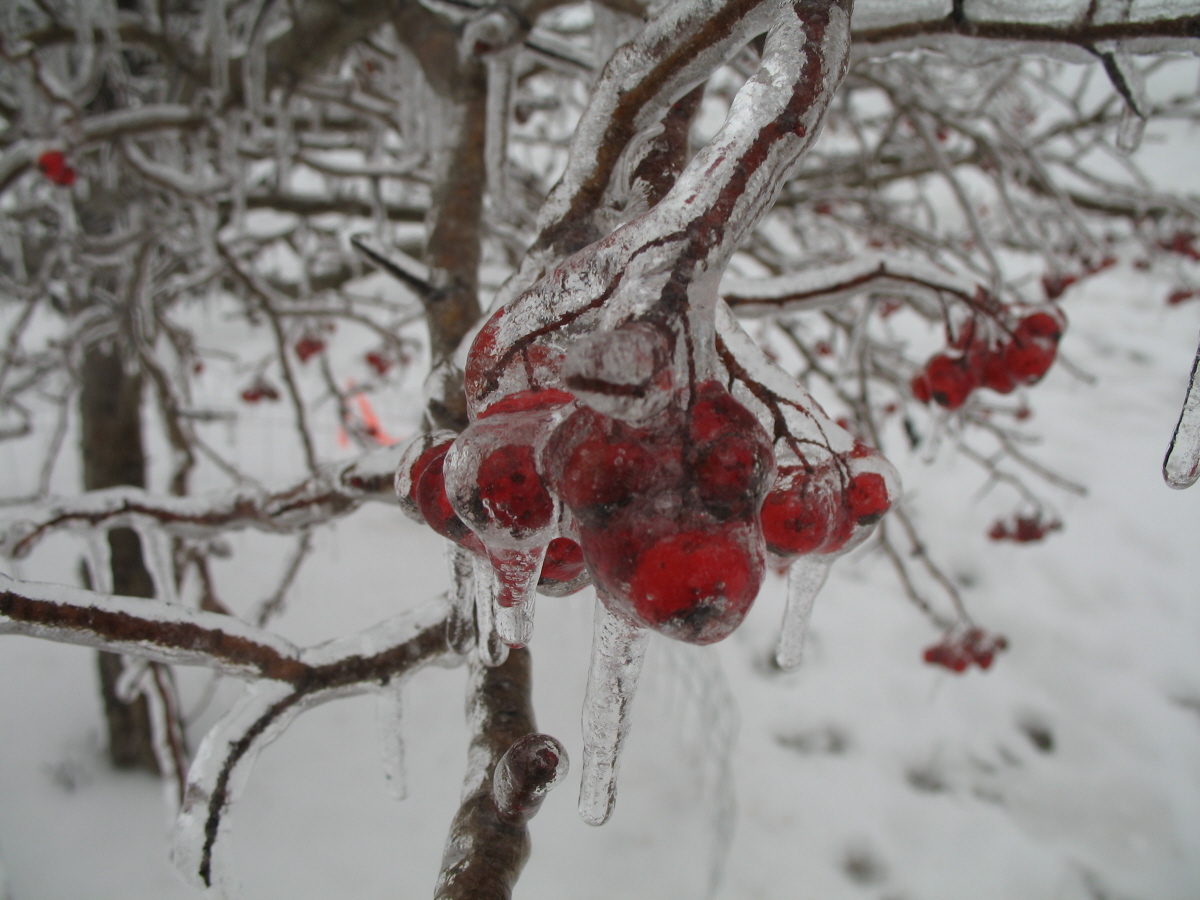
But there are still ways to add color to your garden—even in winter.

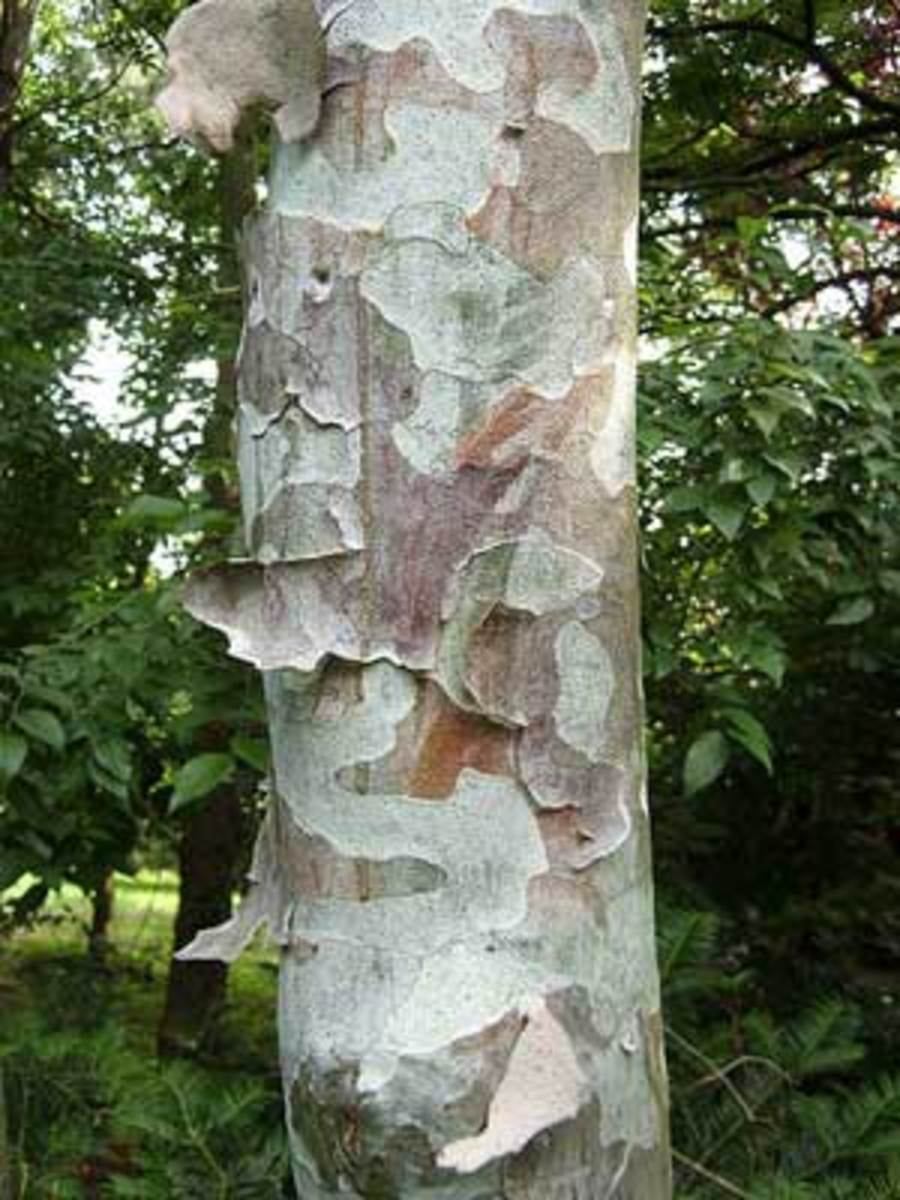
For example, some trees have exfoliating bark, which gives them a beautiful dappled pattern in the winter. These include the striped bark maple, lacebark pine, franklinia and cornus kousa. Sycamores have pretty green and white streaks. It's a way to add subtle, pretty color to that white and brown winter world.

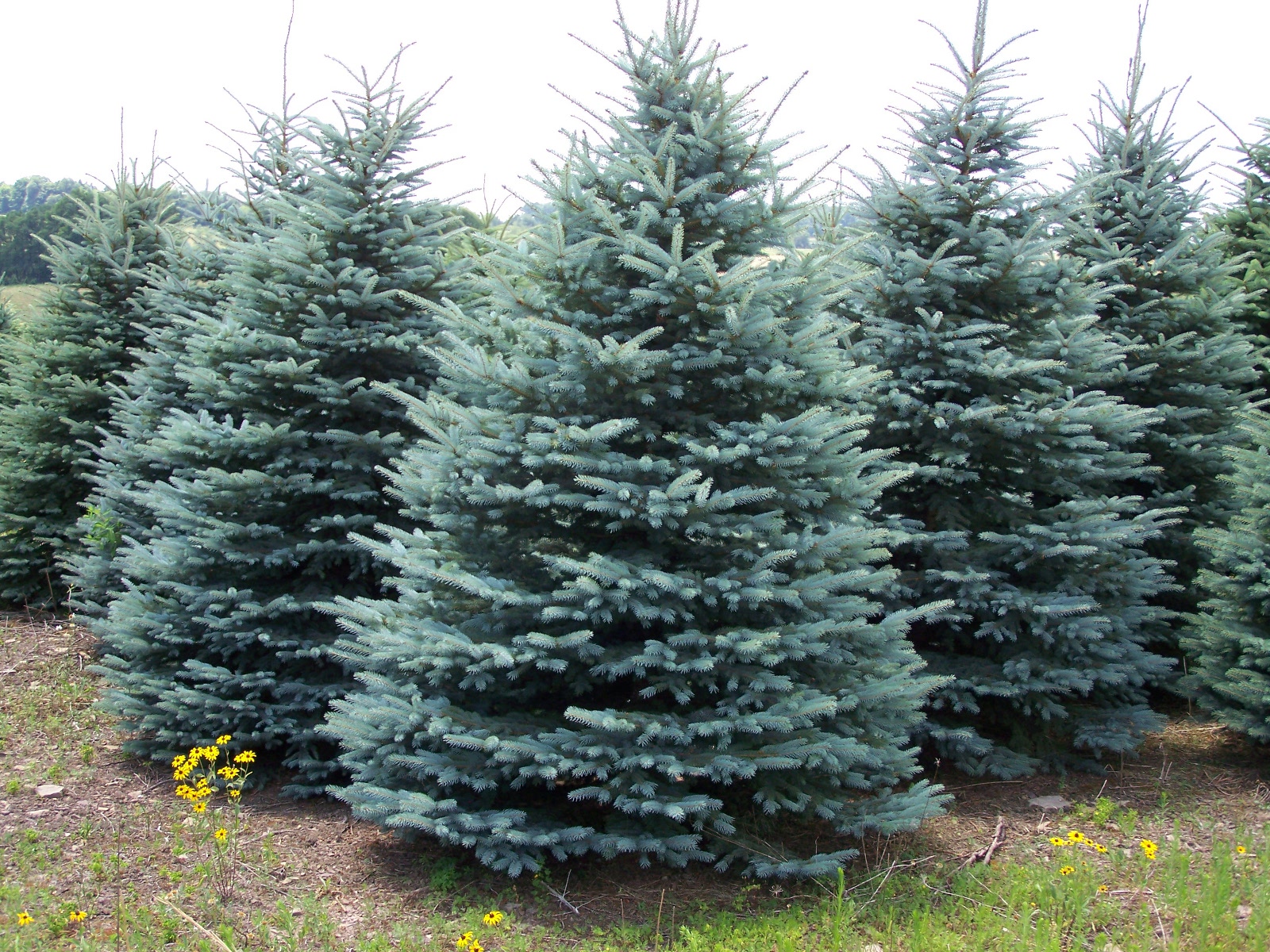
Of course, evergreens like Holly trees, blue spruces (which make great hedge rows,) dragon eye pine (with their variegated needles) or Washington hawthorns can add splashes of blue, green, yellow and even red, respectively, to your yard. Red or yellow twig dogwoods also provide their namesake colors even after their leaves have fallen.

Additionally, you can also add color with shrubs like the variegated yucca or partridge berry and early bloomers like hellebores or witch hazel. (Just be careful that your ground covers, whatever they may be, don't creep across your whole yard.)

By the way, winter also reveals a different aspect of your garden than other season—its structure. The "skeleton" of a tree can be just as captivating as its foliage or flowers, if in a different way. For example, river birches form handsome clumps; dawn redwoods evoke pyramids; weeping hemlocks can add depth to your garden; and espaliered crabapples can make a beautiful border. (Remember, when planting a tree, plan for its mature size. You don't want roots cracking your foundation.)

And complement your trees' "bones" with serviceberries, rhododendrons, grasses or a Turkish Filbert (which is great for flower arrangements, as well, in the summer.) Of course, if you get enough snow, you may not be able to see them for a week or eight.

After all, the idea of a winter interest isn't to recreate spring in the winter. That's impossible. It's purpose is to highlight winter's own beauty.

The master gardeners will return to Mentor Library's Main Branch on Wednesday, March 4, to recommend perennials that can give your garden year-round color. If you have any questions, you can visit their website and ask for help there.

Tuesday, February 3, 2015

Mentor Library looking for organic and heirloom seed donations

Donate your heirloom and organic seeds to Mentor Library's seed garden and help Mentor grow.
Are you a gardener? Mentor Public Library wants your help to seed the community.

We are building a seed library—vegetables, fruits, flowers and herbs. If you have organic or heirloom seeds that you’re willing to share, please contact our Senior Services Manager Darlene Workman. You can either call her at (440) 255-8811 or email her at Darlene.workman@mentorpl.org.

With your support, we can help Mentor grow.

By the way, Mentor Library is hosting a series with the Master Gardeners at its Main Branch to keep your green thumbs verdant. The first session will be at 2 p.m. on Wednesday, Feb. 4. The Master Gardeners will suggest the best plants for a winter interest.

Then, on Wednesday, March 4, the Master Gardeners will recommend perennials that can give your garden year-round color.

Wednesday, May 28, 2014

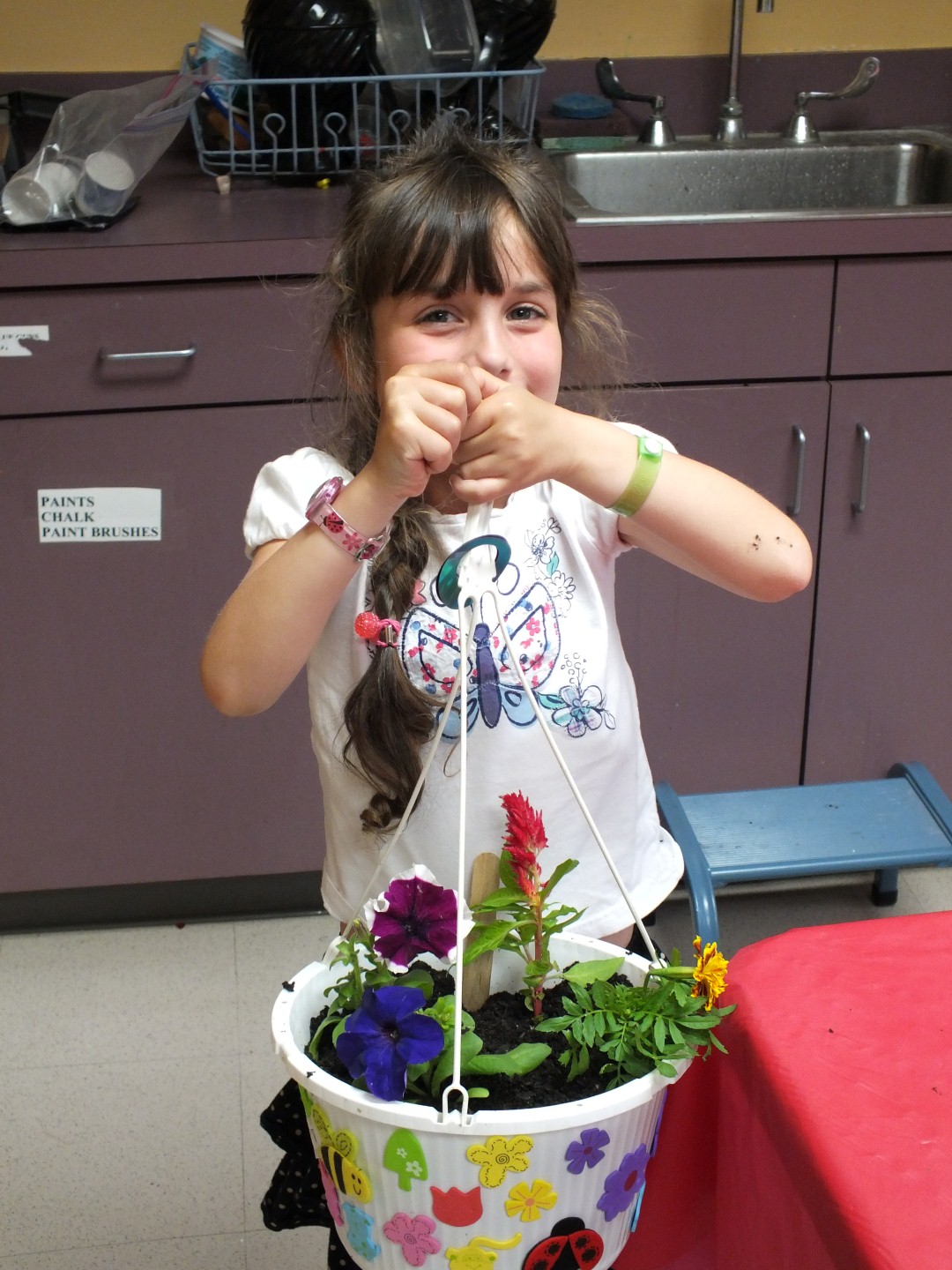
Kids get their hands dirty while making a garden at Mentor Library


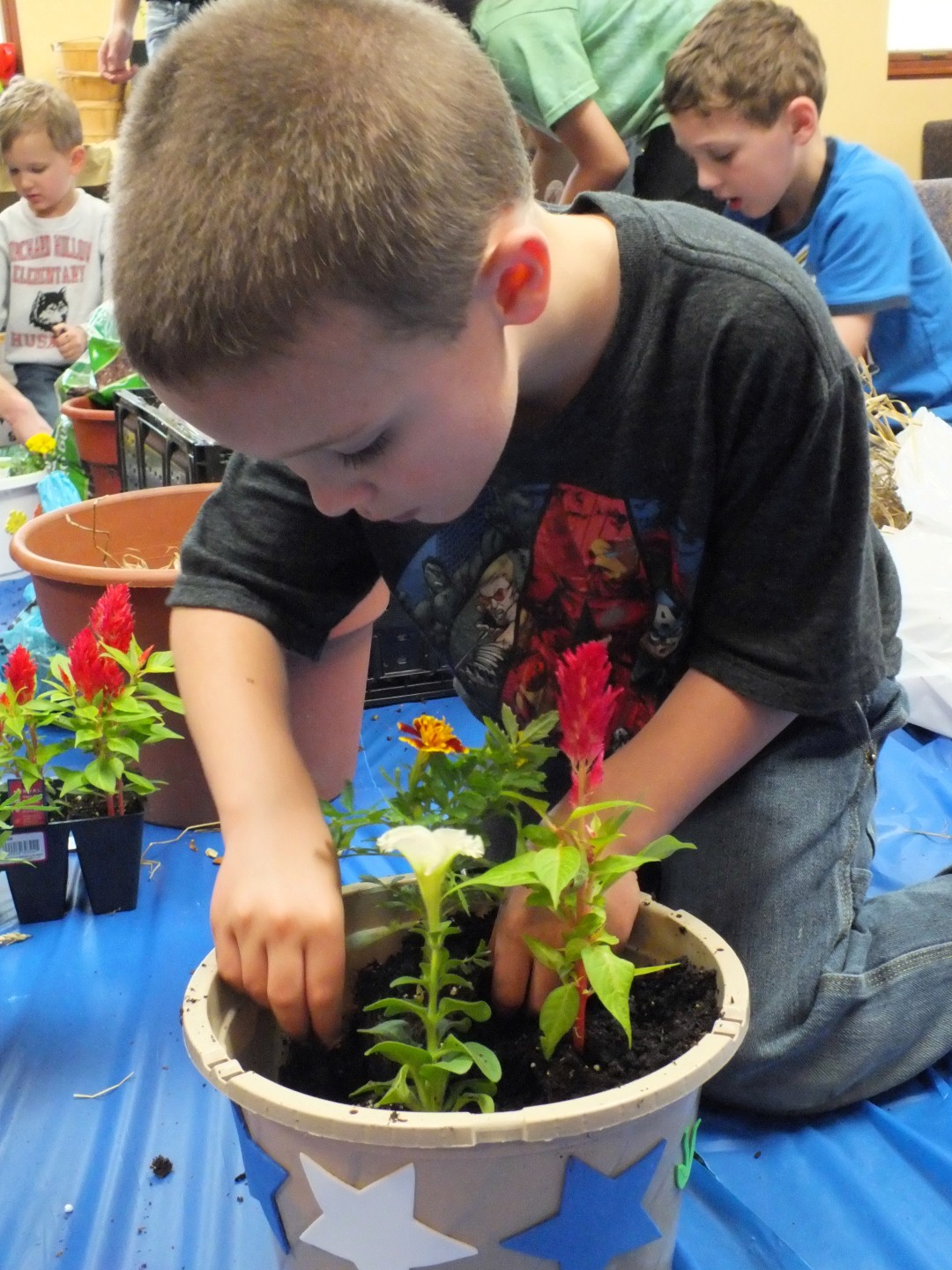
Darin gets his hands dirty while planting flowers.
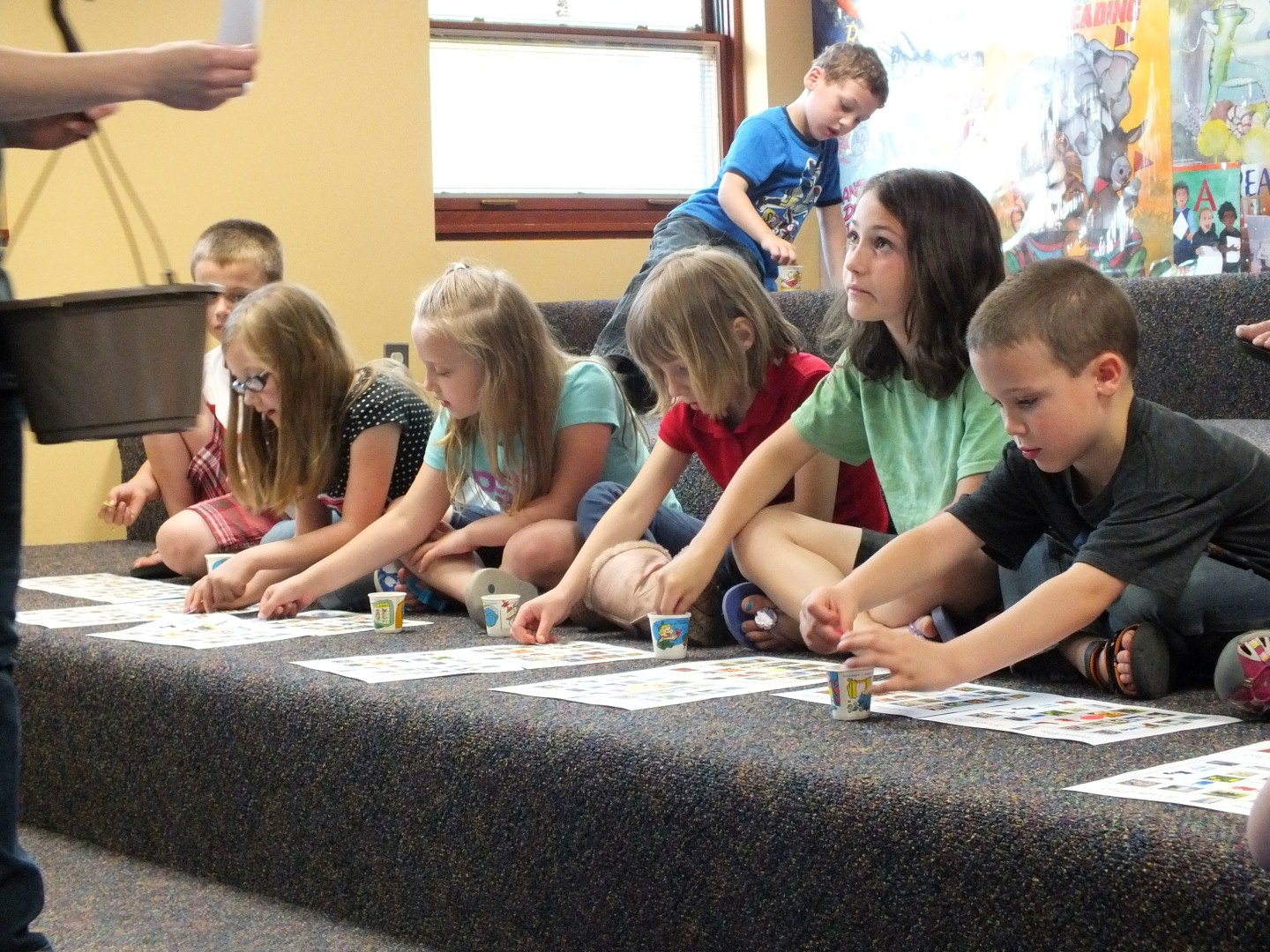
Kids learned about gardens, composting and even planted flowers last week at Mentor Public Library.

It was dirty work, but it sure was fun.

First the children learned about what they could and couldn't put in a compost pile by playing compost bingo.
It was a rot of fun.
Then the kids decorated hanging baskets and planted flowers in them.
First you decorate.
First you decorate.
Then you get to the dirty work
While planting they learned about different kind of gardens—flower, vegetable, heirloom, urban and more.
DSCF2418
In addition to their flower pots, kids also took home corn and carrot seeds and onion bulbs they can plant.

This was our way of introducing the kids to gardening and the bigger world of botany. Botany is just one of the branches of science we'll be learning about during our summer reading program, Fizz, Boom, Read. You can start signing up for Fizz, Boom, Read on May 31. This year, a lot of our programs have a scientific theme. And, as always, you can win a lot of cool prizes—just for reading.

For more information on Mentor Library’s summer reading program, call 440-255-8811 or visit your nearest branch.